Emilio
Tuesday, January 12, 2010
Mis propósitos de año nuevo
Un nuevo año empieza y es bueno pensar: qué me propongo para este año (O que se proponen mis padres?). y lo tengo claro, siempre lo digo: el 2008 me porté mal ( no hace falta recordarlo tanto, me da pena acordarme que terminé hospitalizado en una clínica en santiago) ; el 2009 fue un año de transición, con pataletas más alejadas y menos - mucho menos -violencia, pero en el que no aprendí muchas cosas nuevas... entonces el 2010 será un año en el que seguiré tranquilo,en mi casa serena, y en el que aprenderé muchas cosas útiles , en vías de encaminarme a un oficio y mi autonomía,.... eso quiero ¡yo puedo!


Saturday, December 12, 2009
Viejito pascuero
Querido Viejito Pascuero:
Hola, soy Emilio.
Por favor tráeme los Prisioneros (el disco rojo)
Saludos
Emilio
Tuesday, December 01, 2009
Y ahora que viene mamá?
Es la pregunta que me hago... este año me lo di de transición , y estoy claro que estoy a años luz de lo mal que estuve en el 2008... este año fue el año de la calma.
Y ahora qué? Por lo pronto un semi cambio de colegio, me voy a otro lugar físico , otro nombre,pero con las profes más importantes del colegio actual . Espero sea para mejor.
Podré ahora empezar a aprender algo que me encamine a un oficio? Es el nuevo desafío que espero poder afrontar , de la mano de la gente que me quiere, de mis profesoras, mis terapeutas, mis cuidadores y sobre todo de mi familia. Espero también que nunca, nunca , nunca más volvamos a vivir en la mentira porque no la tolero y reacciono violentamente a ella , aunque no parezco darme cuenta... Espero volver a ver a mis padres contentos , aunque cada uno por su lado, ambos tratando de seguir con sus vidas que se entrelazan a la mía por siempre. Espero que Ignacio siga progresando en la conquista de su mundo adulto y que me siga llevando en su corazón como siempre lo ha hecho. Espero que a la Isi y la Anto les siga creciendo la paciencia. Espero que en esta o en otra casa, pueda yo sentirme realizado, útil y aceptado incondicionalmente...
Emilio
Thursday, November 19, 2009


Sunday, November 15, 2009
Emilio el más sabio
Tú siempre supiste todo verdad?
Tú nunca estuviste mal,
Sólo manifestabas que los demás estábamos mal.
Tú siempre fuiste el más sabio
al que no pudimos engañar.
El que no pudo soportar los " como si"...
Como si fuéramos felices,
Como si fuéramos unidos,
Como si fuéramos verdaderos...
No... Nada de mentiras para ti.
Y así entonces ahora que se te ve tan bien,
que andas tranquilo y reposado,
Será que vamos por el camino correcto?
Tendré que seguir guiándome por tu mirada
ahora que me toca seguir haciendo camino…
Para no volver a engañarme.
Para no volver a conformarme con lo más cómodo
porque ya conozco el precio a pagar.
Espero entonces tomar las decisiones correctas,
cortar los lazos que debo cortar para despegar al fin,
contigo a mi lado, mi Emilio,
El más claro de todos.
Thursday, October 29, 2009
Les cuento???
Emilio ahora me dice: "bonita..... " y generalmente después del bonita viene alguna petición...
Y cuando lo pillo en algo malo y lo voy a retar me dice " yo soy tu amoooor...."(con intonación cantada y como diciendo acuérdate!) y así imposible seguir retándolo...
Y de vez en cuando pasa a mi lado y me da un beso, así no más , gratis..,
En lo que va del año sólo una vez me llamaron del colegio la semana pasada para preguntarme si pasaba algo en casa porque Emilio había empujado una compañera y pellizcado a un par de otros... increíble lo encontré porque justo coincidió con la hospitalización de mi papá , lo que me tiene loca todavía... como para no olvidar la teoría de la esponja!! Y entonces la profesora y yo también nos preocupamos de explicarle lo que estaba pasando y listo volvió a estar dulce, tranquilo, aunque obsesivo como siempre!!
pero como quisiera creer que los milagros pueden ser aún mayores que el milagro de Emilio, sigo soñando y pidiendo al universo que mi niño siga mejorando...
Pero eso les cuento, porque me llena el corazón de alegría intensa y todo se justifica, todo, hasta la soledad.
Wednesday, September 23, 2009
Se cumplió una etapa
No cabe duda: Desde que fue evidente la enfermedad de Emilio hasta hoy, un gran camino ha sido recorrido... y creo que en este momento una etapa se está cerrando. Tanto, tanto hemos aprendido, tanto hicimos, por intuición , por suerte, por estudio, por amor... y hoy puedo decir: Emilio tiene autismo, tiene epilepsia , tiene retardo mental... pero ha avanzado lo que muchos pensaron que era imposible. Ordenamos su vida para el aprendizaje, tratamos las convulsiones, tratamos la hiperactividad, la agresividad, etc... le enseñamos cosas muy estructuradas como un ABA tipo chilensis ... y así aprendió a nadar, a leer , a andar en bicicleta... fundamentales resultaron la terapeuta ocupacional y la fonoaudiologa , utilísimo el psicólogo conductista.. Intentamos también la alimentación sin gluten y sin caseina , la suplementación de vitamina B y magnesio... no estoy tan convencida de la utilidad de este esfuerzo en el caso de Emilio... Luego encontramos altos los niveles de plomo y cadmio, hicimos terapia depletora con quelantes... Luego la adolescencia nos golpeó con toda su violencia y salimos para atrás... fue horrible por un año entero:la familia se vio fuertemente asolada... muy dañada... es difícil que suceda de otra forma... pero ahora podemos felizmente decir:estamos mejor...
Me siento en paz... con pena pero en paz... he aprendido mucho, (me queda probablemente mucho más por aprender ) y me encanta compartirlo con otros padres cuando lo necesitan... es un camino espinoso y doloroso, pero es un camino... avanza.
Ahora viene un tiempo nuevo...
Estoy triste-alegre.. existe eso???
Una etapa muy importante terminó... espero que la que empieza ahora sea mejor... y que la tremenda puerta abierta de conciencia clara permanezca y nos proteja...
Marcela
Autismo: una visión actual y didáctica
ir a est e enlace para el artículo, está bueno , sencillo y claro
Sunday, August 30, 2009
Emilio
Emilio mi niño, cuando miro atrás
Veo el camino recorrido tan tortuoso
Un sendero tan difícil y a la vez hermoso
Para al fin, quizás alcanzar la paz.
Emilio mi niño creo que llegaste
Como una esponja absorbiendo todo
Encargado de cargar miel y lodo
Como un ángel todo te llevaste.
Emilio mi niño , que explicación
Buscamos para aceptar tu especial don
De ponernos a prueba, de vivir el perdón
De llenar de aprendizajes el corazón.
Emilio mi niño ahora adolescente
Me has enseñado la tolerancia
Me obligaste a encontrar paciencia
En los rincones más secretos de la mente.
Emilio mi niño, qué daría por verte sano
Qué daría por verte reír y bromear
Como cualquier joven, incluso amar
Pero así como eres , tomas mi mano
Así diferente, así Emilio, mi niño
Con autismo, con discapacidad
Con amor, con inocencia y con verdad
Emilio, mi irremplazable y adorado niño.
Saturday, August 15, 2009
Y los suecos no eran tan ecológicos!!!
Ojalá sea cierto que Chile demande a Suecia... qué se creen estos tipos que se la dan de tan evolucionados de venir a botar su basura tóxica a los países del tercer mundo... y como es posible por Dios que reclamemos tan poco!!!! despierten!!!! Emilio tiene altos niveles de plomo en la sangre... qué creen? a caso habría sido igual nuestra historia de no ser por eso???? Un cerebro más un cerebro menos.... les da lo mismo???
Hace años atrás me miraban como loca, pobrecita , tiene que encontrar una explicación a lo de su hijo... y qué tal la loca? increíble como el tiempo me ha ido dando razón en tantas cosas... les cambio la razón por mi hijo sano..
despierten!!! nos están envenenando!!!
Marcela
Monday, August 10, 2009
Intoxicacion por plomo en Arica.... pucha que es diferente cuando se trata del hijo de uno
Efectos del plomo en el organismo Una persona puede respirar el plomo por medio del polvo o humo producidos por ciertos trabajos o la combustión de la gasolina de los automóviles, o por comer, beber o fumar cerca de zonas con plomo. El plomo también puede ingerirse al tocar objetos que han sido contaminados con polvo de plomo. Se sabe que muchas personas están siendo envenenadas lentamente porque sus cuerpos han absorbido demasiado plomo (ver más adelante ejemplo de Arica). Aunque al principio, el envenenamiento por plomo pueda no presentar síntomas, con el tiempo éste puede causar daños en el cerebro, la sangre, el sistema nervioso, los riñones y el sistema reproductivo. Estos daños pueden manifestarse y causar serios problemas como pérdida de memoria, cansancio o fatiga, problemas emocionales, falla en los riñones, coma o la muerte. |
Los niños pequeños son más susceptibles a ser afectados por el plomo. Las personas expuestas al plomo pueden contaminarlos cuando llevan polvo de plomo a la casa, por medio de sus ropas contaminadas.
El envenenamiento por plomo ocurre cuando la persona ha sido expuesta a grandes o pequeñas cantidades de plomo por algún tiempo. El plomo se va acumulando en nuestro cuerpo causando así daños temporales o permanentes. A través de un examen de plomo en la sangre se puede saber si el cuerpo lo ha absorbido en cantidades peligrosas. Un nivel alto de plomo en la sangre indica que nuestro organismo lo está absorbiendo en mayor cantidad de la que puede eliminarlo.
Hay muchas manifestaciones o síntomas que pueden indicar si se tiene problemas debido al plomo. Sin embargo, estos síntomas pueden provenir de otras enfermedades. También hay casos cuyo envenenamiento por plomo puede no causar síntomas. Por lo cual debe visitar a su doctor periódicamente, se esté o no sintiendo los siguientes síntomas:
a) Síntomas que se manifiestan en etapas tempranas del envenenamiento:
Dolores de Cabeza
Fatiga
Malestares estomacales
Insomnio
Irritabilidad o nerviosismo
Sabor metálico
Pérdida o falta de apetito
Problemas en sistema reproductivo
b) Síntomas que se manifiestan en etapas más adelantadas: Dolores de estómago
Problemas con la memoria
Problemas en los riñones
Náusea
Pérdida de peso
Estreñimiento
Dolores musculares y en las coyunturas
Debilidad en las muñecas o en los tobillos
|

Efectos | Nivel del plomo en la sangre ( mcg/dl) |
Daños severos al cerebro (encefalopatía) | 100 |
Dolores de cabeza, problemas de concentración y de memoria, dificultades con el sueño, cambios de carácter repentinos | 60 – 70 |
Anemia | 60 |
Dolor de estómago, estreñimiento, diarrea, falta o pérdida de apetito | 50 – 70 |
Problemas en el sistema nervioso; reducción de glóbulos rojos | 50 |
Problemas en el sistema reproductivo en los hombres; daños en el riñón | 40 |
Los reflejos se vuelven lentos | 30 |
Efectos dañinos al feto; presión arterial alta | 10 – 15 |
Esta tabla ha sido adaptada de ATSDR, Toxicological Profile for Lead (1989)
Hay casos cuyo envenenamiento es tan severo que pueden resultar en convulsiones, coma o muerte.
También es muy importante enfatizar en que existen casos en los cuales el plomo daña nuestro organismo aún cuando no hay síntomas presentes.
Caso Arica: contaminación por plomo
Pasaron varios años antes de que los vecinos del sector los Industriales y cerro Chuño de Arica se enteraran que estaban conviviendo con un foco de contaminación que ya venía evidenciando alteraciones a la salud, particularmente a los niños. Las quince mil personas de las poblaciones Los Laureles, El Solar, El Amanecer, San Valentín, Santiago Arata Gandolfo, Industriales I y Villa Puerta Norte, entre otras, nunca se imaginaron el costo que tendrían que pagar por el sueño y esfuerzo de muchos años: su casa propia.
El Servicio de Vivienda y Urbanismo construyó sus viviendas en un sector donde antes existió un basural y muy cercano a un acopio de minerales abandonado por la empresa Procesadora Metalúrgica Ltda.(Promel), de esa ciudad. La casa más próxima se encuentra a treinta metros. Nadie les advirtió sobre el peligro que significa respirar el polvo arrastrado por el viento desde el lugar de acopio.
Historia de un envenenamiento.
Entre los años 1984 y 1989 ingresaron al puerto de Arica diecinueve mil toneladas de desechos tóxicos, metales pesados en polvo y compactados, de la empresa Sueca Boliden Metall. Fueron autorizados por el Ministerio de Salud bajo el rótulo "Barros con Contenido de Minerales".
Promel de Arica, ingresa los desechos al país informando al Servicio de Salud que serían reprocesados para recuperar oro y plata, que estarían presentes en un alto porcentaje en el material. El informe además planteaba que "estos materiales no son tóxicos y pueden ser manipulados por cualquier persona". Los servicios competentes no hicieron análisis de los "Barros con Contenido de Minerales" y autorizaron su ingreso.
El material fue retenido algunos meses en aduana por no pago de los derechos de internación. Posteriormente, fueron trasladados por este servicio a terrenos que Promel tenía en arriendo al fisco, y quedaron en ese lugar en custodia de Aduanas, sin ningún cuidado, hasta marzo del presente año.
Con el apoyo del Servicio de Paz y Justicia (Serpaj) Arica, los pobladores de Cerro Chuño y los Industriales, realizaron durante 1997 un diagnóstico ambiental comunitario. Identificaron los ocho problemas ambientales más importantes. El más preocupante era el polvo de desechos mineros abandonados por Promel que durante catorce años, arrastrado por el viento, se asociaba con algunas afecciones a la salud que sufre la población: irritabilidad, neurosis, estrés, alergias, conjuntivitis, pérdida de memoria, cansancio, fatiga, anemia y dolor a los huesos.
Serpaj y los vecinos a mediados del año 1997 pidieron la realización de análisis al Departamento de Química de la Universidad de Tarapacá (UTA). Los resultados dejan al descubierto la gravedad de la situación. "... se observa la existencia de cuatro minerales altamente tóxicos: cadmio, plomo, arsénico y cobre en concentraciones elevadas..." Un estudio posterior de Sernageomin estableció valores promedio de 10% de arsénico, 4,4% de plomo, 2,1 % de zinc, 1,5% de cobre y confirmó la presencia de mercurio, antimonio, bismuto y estaño.
El conflicto
La confirmación del contenido tóxico de los desechos mineros abandonados activó un conflicto por mucho tiempo latente. La denuncia y movilización de los afectados obligó al Servicio de Salud a la realización de un primer análisis de sangre y orina a una muestra de veinte niños. Los resultados indicaron que el 50% de los exámenes en el caso del plomo estaba sobre 10 ug/100ml (10 microgramos por cada 100 ml de sangre). El Ministerio de Salud y Seguridad Social de EE.UU considera que los niños tienen un nivel de plomo elevado en la sangre si ésta contiene 10ug/100ml. En el caso de la Unión Europea el nivel máximo permitido es de 3 a 4 ug/100ml.
La situación anterior determinó que se ampliaran los análisis para tener un diagnóstico más acabado de la situación. De acuerdo con estimaciones del Instituto de Salud Pública, se deberían hacer a lo menos ochocientas muestras.
La presión de los vecinos se dirigía a erradicar el foco de contaminación, que se hiciera un diagnóstico involucrando el total de los afectados, que se tomaran medidas inmediatas con los casos más comprometidos y un seguimiento a largo plazo para toda la población por los daños irreversibles causados por el plomo.
Después de varias semanas, tanto por la presión de los pobladores como por recomendación de los servicios especializados, la autoridad resolvió trasladar el material tóxico a un lugar llamado Quebrada Encantada, a dos kilómetros. de la comunidad.
Nuevamente, un gran error se trata de subsanar con otra secuencia de errores. No se hizo un estudio de impacto ambiental para el nuevo lugar de almacenamiento, tampoco para la remoción y traslado, como la normativa ambiental obliga a hacerlo. No suficiente con esto, el sector donde estuvieron catorce años los desechos fue cubierto con tierra sacada del entorno del mismo lugar, dejando debajo todos los restos y la capa de suelo contaminada, convirtiendo el lugar en un vertedero de desechos tóxicos sin ningún manejo y sin haber hecho ningún estudio del suelo para determinar qué era lo más indicado.
Los responsables que no se ven
Boliden Metall, la empresa que envió los desechos a Chile desde abril del año pasado, es parte de Boliden Limited con su oficina principal en Toronto, Canadá. Boliden es una compañía minero metalúrgica sueca, controlada en un 45% por el grupo Trelleborg, con cuatro minas en Suecia, una en Arabia Saudita y una en España.
Boliden ya acumula una significativa lista de desastres ambientales en los que se cuentan dos accidentes en su país, uno de ellos contaminó el lago Asajure; otro en la India y el reciente desastre en España por el derramamiento de cinco millones de metros cúbicos de agua caída en el río Guadiamar cerca del parque natural de Doñana, en Andalucía. A esta lista hay que agregar el tráfico de desechos tóxicos a Chile, responsable del daño a la salud de muchas personas y el ambiente de Arica.
Hay responsabilidades de las empresas comprometidas en el tráfico y luego abandono de los tóxicos. Promel, la empresa chilena, fue sumariada por el Servicio de Salud: se le fijó una multa de 24 millones de pesos, lo máximo que permite el Código Sanitario y se le impuso la obligación de asumir los costos de traslado del material (30 millones aprox.). a otro lugar de almacenamiento. Lo que no está claro es quién se hace cargo del problema de salud pública, el medio ambiente dañado, el seguimiento en el largo plazo y los daños irreversibles.
Se deben analizar las responsabilidades compartidas de los servicios del estado involucrados en este caso: autorizar la internación sin realizar los análisis respectivos; trasladar el material y disponerlo en un lugar sin ningún control; posterior a esto, implementar asentamientos humanos sobre un basural, en una zona donde tampoco se hizo una evaluación ambiental antes de construir las viviendas.
Este caso de tráfico internacional de desechos tóxicos tuvo lugar en un periodo en que no existían tratados internacionales que regularan y sancionaran estas actividades, como son el Convenio de Basilea y el acuerdo de la OECD (Organization for Economic Cooperation and Development) sobre tránsito transfronterizo de sustancias peligrosas. En este marco es difícil perseguir las responsabilidades del gobierno sueco y particularmente a Boliden, que a lo menos obliguen a repatriar los desechos a Suecia y a hacerse cargo de las reparaciones pertinentes.
El conflicto conocido como "el plomo de Arica", ha adquirido una dimensión nacional importante particularmente por la conciencia, organización y capacidad de acción desarrollada por los afectados directos, es decir, los pobladores.
Impunidad en la globalización
Los estándares más exigentes en los países desarrollados han llevado a algunas actividades productivas a trasladarse a países con exigencias más bajas y a transformarlos en receptores de sus basuras tóxicas. Chile ha sido blanco de trafico encubierto en varias ocasiones. Particularmente, el desierto en la zona norte es un lugar atractivo por condiciones geográficas y de escasa población.
|

Cuando un tráfico se descubre es muy difícil perseguir responsabilidades, debido a la facilidad para desplazar capitales por el mundo o cambiar de dueño o país de residencia, como el caso de Boliden ahora en Canadá.
Sin duda, lo extremo de esta situación lo representa la misma empresa Boliden, que hoy realiza actividades mineras en Chile. Recientemente adquirió Westmin Resources, propietaria de los proyectos mineros Lomas Bayas y Cobre Fortuna en la región de Antofagasta, el primero en explotación y el segundo en etapa de estudio de factibilidad. También participa de un joint venture con la General Minerals Corporation de EE.UU., para la explotación de cobre y molibdeno en el proyecto minero Vizcachitas, localizado a 125 kms. al noreste de Santiago.
|

El porqué de la gasolina sin plomo
En los motores de combustión de los automóviles actuales, se queman hidrocarburos (gasolina) para obtener la energía propulsora. Como consecuencia de esto, a través de los tubos de escape de los vehículos, se expulsan a la atmósfera sustancias que contribuyen a su contaminación. Entre otras hay:
Hidrocarburos sin quemar
Monóxido de carbono
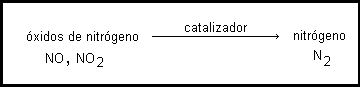
Óxidos de Nitrógeno
Aditivos del combustible
|


Los conversores catalíticos son muy efectivos lográndose unas reducciones del orden del 85% en la emisión de gases contaminantes.
Además del precio (los metales de los que se hacen son caros), otro inconveniente de los conversores catalíticos es que son incompatibles con los aditivos antidetonantes que contengan plomo. Aditivos de los combustibles como el tetrametil plomo (Pb(CH3)4), usado como agente antidetonante, "envenenan" el catalizador inutilizándolo. Este hecho es el responsable de que simultáneamente a la aparición de los conversores catalíticos haya sido necesario desarrollar combustibles sin plomo. Estos combustibles incorporan otros aditivos antidetonantes que, como el metil t-butil eter (MTBE), no contienen plomo.
Cuando se quema la gasolina en el interior del cilindro del motor del automóvil, la explosión debe se tal que empuje al pistón de forma suave y continua. Si la combustión es demasiado rápida, se produce una detonación que hace que el pistón reciba un golpe brusco y se reduzca la eficiencia del motor.
El índice de octano de una gasolina es una medida de su capacidad antidetonante. Las gasolinas que tienen un alto índice de octano producen una combustión más suave y efectiva. El índice de octano de una gasolina se obtiene por comparación del poder detonante de la misma con el de una mezcla deisooctano y heptano. Al isooctano se le asigna un poder antidetonante de 100 y al heptano de 0. Una gasolina de 97 octanos se comporta, en cuanto a su capacidad antidetonante, como una mezcla que contiene el 97% de isooctano y el 3% de heptano.
Fuentes Internet:
http://www.state.ma.us/dos/leaddocs/Lead-plomo.htm
Wednesday, August 05, 2009
me gusta entonces...( a pedido del público)
me gusta comer... sobre todo papas fritas, sopaipillas, arroz, churros, cereales nesquick y cabritas en el cine. Me gusta la leche con plátano.No me gustan las berenjenas...( ni a mis hermanos tampoco mamá!!!)
me gusta el cine
me gusta la música, Vangelis (1492), los Beatles ( Eleanor Rigby ) y los Prisioneros
me gustan mis perritos Roberta y Marko
me gustan mis hermanas Antonia e Isidora, porque son desordenadas y porque gritan cuando las molesto ( pero ahora gritan menos que antes)
me gusta mi hermano Ignacio porque si no más, debe ser porque él siempre me ha querido así como soy
me gusta chuparme el dedo, aunque sé que no debo porque ahora soy un niño mediano
me gusta levantarme temprano y comer huevos revueltos al desayuno
me gusta bañarme en tina con agua bien caliente
me gusta nadar
me gusta andar a caballo y en bicicleta
me gusta mi cuidador y amigo Pablo Segovia
me gusta la Alejandrita mi fonoaudióloga
me gusta ir a acostarme con mi mamá en mitad de la noche y pasarle mis pies por sus piernas... pero a ella parece que no le gusta tanto
me gusta ir al colegio
en el colegio me gusta la Carlita , que anda en silla de ruedas, no me gusta la Javiera que me da muchos besos
me gusta zapping zone
me gusta que se corte la luz
me gusta la lluvia
me gusta saltar en la cama elástica
me gusta dibujar en hojas grandes y escribir los meses y hacer la lista de cumpleaños y hacer el menú de la semana
me gusta Limache , pero no me gustan los ladrones
me gustan las caras felices... igual que a todos . No me gustan las caras enojadas
Emilio
Tuesday, August 04, 2009
lo que me interesa
Pocas cosas me interesan, pero lo que me interesa, me interesa mucho.
Me interesa por ejemplo saber si va a llover, si llueve de día o de noche y si me pongo botas y la Sandra me hará sopaipillas.
Me interesa que algunos meses tienen 30 y otros 31 días y que sólo feberero tiene 28 y a veces 29.
Me interesa que la Roberta es una patuda, que se sube a la cama de mi mamá y mi mamá le dice "fuera" y ella me langüetea y salimos a correr.
Me interesa saber si viene mi amigo Pablo o la Rosalía a cuidarme.
Me interesa saber qué hay de comer.
Me interesan las capitales y las banderas, los volcanes y las erupciones.
Me interesa la cama elástica.
Me interesan las noticias para llevarlas al colegio.
Me interesa saber cuántos aviones hay que tomar para estar de vacaciones.
Me interesa saber si el camino se va a cerrar para arreglos.
Me interesa salir a pasear y comer churros, me interesa portarme bien, me interesa que me integren y me quieran.
Emilio
Thursday, June 18, 2009
para las mamás
Para las mamás que por algún motivo la están pasando mal, un abrazo y una palabra de ánimo...
Nuestros hijos pasan por periodos difíciles y a veces pareciera que nunca saldremos de esos agujeros negros que nos consumen todo... pero yo les quiero decir, no creo haber vivido año más duro y traumatizante que el 2008... enterito de enero a diciembre...Emilio dos veces hospitalizado... perdí a mi marido.... y de pronto todo parece arreglarse, no necesariamente como se quisiera , claro, pero bueno , mi hijo Emilio se calmó como quién tira agua al incendio... y mis hijos están bien , en la casa reina una armonía que no recordábamos... Así que:ánimo, fuerza, sobrevivencia... apoyémonos entre nosotras, mujeres, compartamos nuestras penas y nuestra fe.
El mañana existe, yo lo viví... no sé cuánto más dure... pero lo disfruto mientras sea.
Con mucho cariño para mis compañeras de penas y alegrías
Marcela, mamá de mi maravilloso Emilio
Tuesday, May 19, 2009

Cumplí 14
Estoy feliz porque este año si tuve cumpleaños, con torta, cornetas, piñata ( un chuncho) y recibí muchos regalos... estoy feliz porque me estoy portando bien , no como el año pasado que me quedé sin cumpleaños. Estoy feliz porque a pesar de estar separados , mis padres fueron capaces de reunirse por un día en la celebración de mi cumpleaños... y a pesar de no haber planificado la vida de esta forma, estamos alcanzando quizás la armonía que buscábamos, aunque en casas divididas... Nadie dijo que la vida era sencilla después de todo, verdad? pero así y todo vamos aprendiendo a encontrarle sentido a las dificultades que nos pone..
Estoy feliz y quiero compartir mi alegría y dar las gracias a todos los que me quieren y me acompañan siempre....
Emilio
Sunday, April 05, 2009
Agradezco
Agradezco que estás vivo , mi Emilio y agradezco, todos los días cuando despierto y todas las noches al dormirme, que estás volviendo a ser aquel niño tierno y dulce que eras... agradezco que se suman y se suman los días sin golpes. Agradezco estar bajándote los psicofármacos y a pesar de todo lo difícil vivido ,agradezco tenerte como te tengo... porque la dra. Chamy ya no tiene a su hijo Rodrigo , perdiéndolo en un estúpido e incomprensible accidente... porque los Cruzat ya no tienen a su Felipe pese a que hicieron todo para salvarlo.... y ese dolor tremendo, ese ponerme por unos minutos en los zapatos de la Verónica, tremenda profesional , orgullosísima de sus hijos y hoy... hoy lo tiene que enterrar...!!!!!!!!... NO!!!! No puedo seguir pensando que el destino ha sido más duro con nosotros que con otros entonces... porque te sigo teniendo conmigo Emilio y me abrazas en las noches y me preguntas todos los días y varias veces al día si va a llover y todos los días tengo que dibujarte aviones y todos los días hablamos de tu compañera Carlita que no puede caminar o de la Alondra, tu nueva polola con macrocefalia... y soy feliz mi amor , soy feliz.
UN tremendo abrazo a los Cruzat, un enorme abrazo a Sergio Tapia y a Verónica Chamy, fuerza, valor y toda nuestra compañía... qué más podemos dar???
Marcela
Friday, February 06, 2009
Bajando dosis
Así como llegó la agitación junto con mi adolescencia, al parecer ya sea por motivos de carácter hormonal o por razones emocionales más difíciles de comprender, me he ido calmando y volviendo a mi estado basal. Tanto es así que mi mamá me ha ido bajando progresivamente algunos fármacos , y ya vamos en relativamente poco. Creo que finalmente puede que me quede sólo con el Azymol, el Prozac y el Tegretal. ( es poco , créanme , para todo lo que usé) .
¿La contención? Pufff... creo que ni sabemos donde está....Recemos todos para que siga así, lo único que quiero es seguir bien y poder participar en más cosas este año en mi colegio, ir a natación, a los talleres de cocina etc.
Qué mi ángel me siga acompañando....
Sunday, February 01, 2009
Puesta al día en tratamiento farmacológico en trastornos del desarrollo
Use of Psychotropic Medications in Children with Developmental Disabilities
Joseph L. Calles, Jr., MD a, b, *
KEYWORDS
� Developmental disabilities � Intellectual disabilities
� Psychotropic drugs
Children and adolescents with ‘‘special needs’’ comprise a small part of most pediatric practices, yet often require an inordinate amount of time and resources in their clinical care. These children are usually described as having developmental disabilities (DD), which denotes impairments in several areas of functioning, such as communication and motor control. A commonly associated condition is mental retardation (MR), also known as intellectual disability, which is defined by below average performance on standardized intellectual testing (representing the lowest 2.5 percent), in addition to functional impairments. Another group is the pervasive developmental disorders (PDD), which are increasingly referred to as the autistic spectrum disorders (ASD).
Abnormal neural development may manifest not only as physical problems, but also as mental symptoms. This article describes various neuropsychiatric disturbances seen in DD (with or without MR) and discusses psychopharmacologic approaches to their treatment. Before beginning, however, some words of caution are in order. Firstly, whenever one is considering the use of psychotropic medications in a DD patient, one should make sure that the emotional and behavioral symptoms are not due to an undiagnosed medical illness. 1 Secondly, if medications are already being used or if symptoms worsen after treatment is initiated, the medications themselves should be suspected as possible causes of the problem behaviors. 1,2 Thirdly, medications should be started at low doses, titrations should be performed slowly, and the lowest
a Department of Psychiatry, College of Human Medicine, Michigan State University, A236 East Fee Hall, East Lansing, MI 48824, USA b Child and Adolescent Psychiatry, Psychiatry Residency Training Program, Michigan State University/Kalamazoo Center for Medical Studies, 1722 Shaffer Road, Suite 3, Kalamazoo, MI 49048, USA
* Child and Adolescent Psychiatry, Psychiatry Residency Training Program, Michigan State University/Kalamazoo Center for Medical Studies, 1722 Shaffer Road, Suite 3, Kalamazoo, MI 49048. E-mail address: calles@kcms.msu.edu
Pediatr Clin N Am 55 (2008) 1227–1240 doi:10.1016/j.pcl.2008.07.002 pediatric.theclinics.com 0031-3955/08/$ – see front matter ª 2008 Elsevier Inc. All rights reserved.
effective doses to achieve symptomatic control should be used (versus shooting for an arbitrary ‘‘target dose’’). Lastly, psychotropic medications should never be the sole treatments for psychiatric symptoms in the DD population. Ideally, behavioral interventions and other environmental modifications should be tried first, before starting pharmacotherapy.
EPIDEMIOLOGY
Prevalence of Developmental Disabilities
In the mid-1990s, an American survey 3 of noninstitutionalized, community samples of all ages estimated the following DD prevalence rates: for DD alone, 7.1 per 1000; for MR alone, 3.6 per 1000; for the combined presence of MR and DD, 4.2 per 1000; and, for the total of all MR and DD, 14.9 per 1000. The prototypical ASD, classic autistic disorder, has a prevalence somewhere between 10 and 20 per 10,000, while, as a group, the ASD have an estimated prevalence of about 60 per 10,000. 4
Prevalence of Neuropsychiatric Disorders
Compared with the general population, neuropsychiatric disorders are overrepresented in the DD population.
Epilepsy
In North America, the overall incidence of epilepsy is about 50 per 100,000 per year, with the highest rate being in children less than 5 years of age. The best estimates of prevalence are between 5 and 10 per 1000. 5 In individuals with MR, the lifetime prevalence of epilepsy is over 10 times higher, with estimates between 14% and 24%. 6
Sleep disorders
Sleep problems are common in children, but more so in the intellectually disabled population. A study that compared the sleep characteristics of children with intellectual disability (of mixed etiologies) to those of normal controls showed that current sleep problems were seen in 57.7% of intellectually disabled children versus 16% of controls, and past sleep problems were twice as common in the intellectually disabled group (66.7% versus 33.3%). 7
Psychopathology
There are various psychiatric symptoms and disorders that commonly occur in children with DD. Table 1 lists four selected problem areas and compares prevalence rates in the DD population to those in the general child population. 8–12
To facilitate the discussion of which psychotropic medications to use for which conditions, the following section discusses three common DD syndromes, associated neuropsychiatric disorders, and recommended pharmacologic interventions.
Table 1 Psychopathology in developmental disabilities versus non^developmental disabilities children
Problem DD % Non-DD % ODD 488 2.39 ADHD 338 8.710 SIB 448 5–911 Aggression 488 0.5–3.712
Abbreviations: ADHD, attention-deficit/hyperactivity disorder; ODD, oppositional defiant disorder; SIB, self-injurious behavior.
AUTISTIC SPECTRUM DISORDERS
The heterogeneous group that forms the autistic spectrum disorders includes autistic disorder, Asperger’s disorder, Rett’s disorder, childhood disintegrative disorder, and PDD–not otherwise specified (PDD-NOS). 13 Autistic disorder, which adversely affects a child’s socialization, communication, and patterns of interests and activities, is associated with various medical disorders, many of which are genetic in origin. 14,15 Given the profound deficits that can be seen in children with autistic disorder, clinicians may be tempted to attribute psychiatric symptoms to the autism itself. However, as is shown below, there are high rates of psychopathology comorbid with autistic disorder (and other ASD). 16 There have yet to be discovered pharmacotherapeutic agents that treat the core symptoms of ASD.
Aggression
Xue Ming and colleagues 17 reported that of 160 autistic children, 32% displayed aggressive behaviors (toward others or self). Palucka and colleagues 18 consulted on a small group of community-living DD patients (ages not given, but presumed to be adults), with or without PDD. Irrespective of DD diagnoses, aggression was more likely to be present if a mood disorder was present.
Treatment
Aggression is not a diagnosis, but a symptom of another condition. The Palucka study 18 found that, in 80% of aggressive patients, recommendations were made to reduce or eliminate atypical antipsychotics (AA) and to maximize treatment of mood disorders with antidepressants or mood stabilizers (see section on mood disorders). In the absence of a clearly defined mood disorder, risperidone is a good first-line agent to treat aggression in children with autistic disorder, 19 and perhaps with other ASD (although not approved by the Food and Drug Administration except in autistic disorder). In the United States, five other AA—clozapine, olanzapine, quetiapine, ziprasidone, and aripiprazole—are available, but to date there are no large, controlled studies of their use in ASD. In smaller studies, ziprasidone and aripiprazole also demonstrated amelioration of aggressive symptoms. 20 A novel approach to the treatment of disruptive behaviors in autistic disorder used the acetylcholinesterase inhibitor galantamine. 21 Although further studies are necessary, galantamine did produce significant reductions in anger and aggression. Dosages ranged from 12 to 24 mg daily over 12 weeks.
Self-Injurious Behavior
Baghdadli and colleagues 22 found that in 222 autistic children (under 7 years of age) 50% exhibited self-injurious behavior (SIB), and almost 15% exhibited severe SIB, defined as producing ‘‘functional or life-threatening lesions.’’ People with autistic disorder don’t necessarily outgrow SIB. Bodfish and colleagues 23 found that, when compared to adults with MR (without autism), almost twice as many of the autistic adults displayed SIB; the severity of injuries was also greater in the autism group.
Treatment
Similar to its effects on aggression, risperidone has also been found to reduce SIB in people with autistic disorder; the other AA may also be helpful in this regard. 20 Risperidone does have its limitations. For example, although SIB frequency is reduced in autistic patients, duration and severity of the SIB may not be significantly altered. 24 Another concern is AA-related weight gain and obesity, 25 which is a risk factor for the development of metabolic syndrome. 26 In the event that the SIB in autistic patients doesn’t respond to the AA, or the medications are not tolerated, a trial of the opioid antagonist naltrexone may be beneficial. 27 Common doses are in the range of 0.5 to 2 mg/kg/d.
Hyperactivity, Impulsivity, and Inattention
The rates of attention deficit/hyperactivity disorder (ADHD) are quite high in the ASD. In a university ASD specialty clinic, 78% of patients met criteria for ADHD, with the highest rate (83%) being in those with autistic disorder. 28
Treatment
More recent studies, with better designs, have demonstrated that PDD patients with ADHD can respond sufficiently to psychostimulants to warrant trials of those medications. 29 If the stimulant is ineffective or intolerable, a subsequent trial of atomoxetine may be effective. 30,31 Reports on side effects are mixed and inconsistent.
Sleep Disturbances
Disorders of sleep are common in ASD, occurring in 52% of affected children in one study. 17 Sleep problems have a highly significant association with mood disorders.
Treatment
It is desirable to identify and treat comorbid mood disorders first, in the hope that the associated sleep disturbances will be corrected (see discussion of mood disorders below). In the absence of a mood disorder—or when mood has improved but poor sleep persists—regular melatonin 32 or controlled-release melatonin 33 may be tried. Synthetic melatonin is preferred, as natural-source melatonin is extracted from the pineal glands of livestock and could theoretically be contaminated with prions. Another option is the synthetic melatonin receptor agonist ramelteon. 34
Mood Disorders
When a group of children with ASD were compared to a community sample, 16.9% of those with ASD scored two standard deviations above the normal population mean for depression. 35 In another group of ASD children at a specialized autism program, 26% were diagnosed with ‘‘mood disorder.’’ 17
Treatment
The treatment of mood disturbances in the ASD population has been attempted using various antidepressants, mood stabilizers, and even antipsychotics. For depression, a selective serotonin reuptake inhibitor (SSRI) antidepressant has been most often used, and fluoxetine has been the most common agent from that class. 36 Effective treatment of depression seems to reduce aggressiveness and SIB. If a cyclic mood disorder, such as bipolar disorder, is suspected, the use of antiepileptic drugs (AED) that are also mood stabilizers (eg, sodium valproate or lamotrigine) is preferred over lithium or the AA, given the high rate of seizure disorders in those with ASD (see below).
Seizures
It is estimated that about one third of children with ASD develop a seizure disorder. 37 The most common types are partial-complex and generalized tonic-clonic. Although the exact connection between neuropsychiatric symptoms and seizure activity has yet to be elucidated, treating seizures or electroencephalographic abnormalities (suspicious for epileptogenicity) with anticonvulsants may lead to symptomatic improvement. 38
Treatment
No specific anticonvulsant is currently recommended, and choice of AED must be a balance between potential efficacy and potential for adverse effects, including negative behavioral changes. 39
FRAGILE X SYNDROME
The fragile X syndrome (FXS) is the most commonly inherited cause of MR and, in almost all cases, derives from excessive repeats of the CGG trinucleotide sequence in the FMR1 gene, located on the X chromosome. The prevalence of the full mutation/clinical syndrome is estimated at 1 per 4000 males, and prevalence of female carrier status is estimated at 1 per 350. 40 In addition to cognitive difficulties (ranging from normal IQ with learning disorders to MR), people with FXS have a variety of emotional and behavioral disorders. 41
Aggression
Patients with FXS can display aggressive behaviors in the context of noxious external stimuli (eg, loud noises) or intolerable internal processes (eg, anxiety).
Treatment
To prevent disruptive behaviors, it is crucial to identify factors that predispose to or trigger aggressive episodes. Minimizing or avoiding environmental changes is an ongoing endeavor both for the family and the school. Sadness, anxiety, irritability, impulsivity, sleep deprivation, psychosis, and poorly controlled seizure disorder are all potential targets for pharmacotherapy.
Self-Injurious Behavior
Symons and colleagues 42 found that in boys with FXS, 58% engaged in SIB (with 72% of those biting the hands or fingers), which had its onset before age 3 years and was associated with environmental stressors.
Treatment
Follow the same recommendations made in the previous section on aggression.
Hyperactivity, Impulsivity, and Inattention
When compared to peers with equivalent mental ages, 53.7% of children with FXS were rated by parents as having symptoms consistent with ADHD; teachers rated 59.2% as meeting the ADHD criteria, with higher scores for hyperactivity-impulsivity than reported by parents. 43
Treatment
The ADHD symptoms seen in FXS patients respond well to the psychostimulants, although younger children and those with lower levels of functioning may not do as well. 44 Patients should be monitored closely for newly emergent or exacerbated insomnia, anxiety, mood instability, and aggression. If the stimulants are ineffective or intolerable, a cautious trial of the alpha2-agonists clonidine or guanfacine may be given. 44
Sleep Disturbances
Sleep in patients with FXS can be of low quantity and quality, and can be secondary to neuropsychiatric disorders (eg, ADHD, depression, or epilepsy) or can be due to primary sleep disorders, such as obstructive sleep apnea. 45
Treatment
If appropriate treatment of comorbid conditions doesn’t appreciably improve sleep, patients should be referred for polysomnographic evaluation. The use of sedative-hypnotic medications should be avoided.
Mood Disorders
Compared with those without FXS, females (ages 4–27 years) with FXS had higher rates of mood disorders (47% versus 6%) and one half of those had major depression. 46 It is unclear if males with FXS are more or less likely than their female counterparts to experience depression. In one comparison study there was no statistical difference in either ‘‘anxious/depressed’’ or ‘‘withdrawn’’ scores between the two groups. 47 Bipolar disorder may co-occur with FXS, albeit uncommonly; there may also be clustering in some families. 48
Treatment
The antidepressant of choice for depression in FXS seems to be an SSRI, with at least a 50% response rate to be expected. 44 Patients should be monitored for agitation, insomnia, gastrointestinal symptoms, and suicidal ideation. For symptoms of bipolar disorder, mood-stabilizing AED are the medications of choice, especially if there is a comorbid seizure disorder (see discussion of seizures).
Anxiety Disorders
Symptoms of anxiety can be difficult to elicit in children with intellectual disability. When asked to identify the presence of anxiety symptoms (as manifested in specific behaviors) in a group of FXS children, parents rated 26% as having ‘‘clinically significant anxiety problems,’’ whereas teachers rated 42% of the children as having high levels of anxiety. 49
Treatment
The SSRI antidepressants can effectively reduce anxiety, especially the type that is provoked by social interactions. 44 In the event of nonresponse to adequate SSRI trials, other strategies could include (1) adding a beta-adrenergic blocker (eg, propranolol or nadolol) to the SSRI; (2) using buspirone; or (3) cautious use of a long-acting benzodiazepine (eg, clonazepam) while watching for behavioral disinhibition. 50
Autistic Behaviors
It has been noted for some time that autistic disorder is associated with FXS at much higher rates than those found in the general population. For example, in a large group of young children with FXS, 25.9% of boys met criteria for autism, a rate four times greater than that seen in FXS girls. 51
Treatment
As noted previously, specific treatments for core autistic symptoms are not available. These particular problems are mentioned here because their presence in FXS increases the risk for comorbid psychiatric disorders. They also increase the complexity of overall assessment and management. Psychopathology should be looked for and aggressively treated if found.
Seizures
As previously noted, seizure disorders are present in 10% to 20% of FXS patients 52 and have implications for choosing psychotropic medications that are effective for
treating comorbid psychiatric disorders, but do not provoke or increase seizure activity.
Treatment
Choice of AED should be based on seizure type and patient characteristics. The most effective agents for seizure control are also likely to provide relief of some psychiatric symptoms (eg, aggression, mania, and anxiety), but could also exacerbate them. 39
FETAL ALCOHOL SYNDROME
Fetal alcohol syndrome (FAS) and related disorders, commonly termed fetal alcohol spectrum disorders (FASD), are the direct result of prenatal alcohol exposure. The physical, cognitive, and behavioral manifestations can be reliably identified using consensus diagnostic criteria. 53 Estimated United States prevalence of FAS from the preceding 2 decades is 0.5 to 2.0 per 1000 live births, while prevalence of FASD (including birth defects and neurodevelopmental disorders) may be 1% or more of live births. 54 The high rates of psychopathology in FAS have been well documented. 55
Aggression
Compared with non–prenatally exposed youth, those with prenatal alcohol exposure show higher rates of delinquent behaviors, including fighting. 56 Interestingly, in those with prenatal alcohol exposure, but without FAS, one half met probable conduct disorder criteria, whereas none of the patients with FAS met the criteria. Burd and colleagues 55 similarly found that partial FAS patients had significantly higher scores related to ‘‘anger problems’’ (a risk factor for aggression) than those with full FAS. These findings are counterintuitive and not adequately explained to date.
Treatment
Proper treatment of comorbid psychiatric disorders, such as ADHD or mood disorders (see the relevant discussions below), generally reduces or eliminates aggressive behaviors. For nonspecific or refractory aggression, use of risperidone may work when other agents have failed. 57
Self-Injurious Behavior
Although the rate of SIB in people with FAS may not be higher than in those without FAS, 55 actual suicide attempts are higher in FAS, with over one half having attempted suicide (18% of a severe degree, 27% moderate, and 9% low), versus only 4.6% of the general population who have a history of suicide attempts. 58
Treatment
Two important risk factors for suicide are depression and substance abuse, especially alcohol abuse. It is imperative that those disorders be identified and treated in FAS patients (see discussion of mood disorders and substance-use disorders below).
Hyperactivity, Impulsivity, and Inattention
Comparing the prevalence of ADHD in patients with FAS, partial FAS, or no FAS, Burd and colleagues 55 found rates of 73.0%, 71.5%, and 36.8%, respectively. Unlike idiopathic ADHD, in which hyperactivity and impulsivity tend to attenuate during adolescence, the ADHD associated with FAS seems to persist from preschool age up through adolescence. 59
Treatment
The first-line treatment for ADHD in FAS is a psychostimulant. There is some evidence that preparations containing dextroamphetamine work better than does methylphenidate. 57,60
Sleep Disturbances
Not only does the risk for ADHD increase with the degree of prenatal alcohol exposure, but so, too, does the risk of having a sleep disorder. Bhatara and colleagues 61 found that in those children with confirmed, but low, prenatal exposure to alcohol, 25.5% met criteria for a sleep disorder; in those with confirmed high-level exposure, 52.3% had a sleep disorder.
Treatment
Given the overlap of ADHD and sleep disorders in FAS, it would be reasonable to give a trial of clonidine for sleep, as it has been useful in ADHD children without DD 62 and in DD patients with severe sleep problems. 63 An alternative agent is melatonin, although it may only improve sleep onset latency and not other sleep parameters. 64
Mood Disorders
O’Connor and colleagues 65 looked at a group of children who had been prenatally exposed to high levels of alcohol, but who did not have MR. They were identified as having FAS, partial FAS, or alcohol-related neurodevelopmental deficits. In the FAS/ partial-FAS group, there were no cases of major depressive disorder, but 33% were diagnosed with bipolar disorder. In the group with alcohol-related neurodevelopmental deficits, 18% were diagnosed with major depressive disorder and 35% were diagnosed with bipolar disorder.
Treatment
There is insufficient data in the literature to guide the treatment of mood disorders in those with FASD. A conservative approach, therefore, would be to follow the algorithms already established for the treatment of major depressive disorder 66 and bipolar disorder 67 in children and adolescents. It must be kept in mind, however, that some medication choices need to be modified to take into consideration such factors as comorbid conditions and potential adverse medication interactions.
Psychosis
On a parent-completed behavioral questionnaire, children with prenatal alcohol exposure scored more than two standard deviations higher than children with no prenatal exposure to alcohol on the ‘‘psychosis’’ scale (specific symptoms not specified). 68 One could make the argument that parental feedback on a questionnaire and clinical diagnosis are not equivalent, but in this case there may some validity to the study, if one considers what happens to FAS children who grow up. Famy and colleagues 69 evaluated 25 adults with FASD. They found that 40% had a psychotic disorder, the majority being of the brief psychotic disorder type.
Treatment
It is incumbent on the clinician to thoroughly evaluate the patient, generate a differential diagnosis, and identify treatable causes of the psychosis. 70 The proper treatment of psychotic symptoms depends on the illness that is generating the psychosis (eg, monotherapy with an AA in schizophrenia versus a combined mood stabilizer–AA regimen for bipolar disorder with psychosis). 67
Table 2 Medications for neuropsychiatric problems in developmental disabilities
Problem 1st Choice 2nd Choice 3rd Choice ASD Aggression Risperidone Ziprasidone or aripiprazole Aripiprazole or ziprasidone SIB Risperidone Second AA Naltrexone ADHD Stimulant Second stimulant Atomoxetine Sleep Melatonin Ramelteon Clonidine Mood Depression SSRI Second SSRI SNRI Bipolar disorder Sodium valproate Lamotrigine AA FXS Aggression a a a SIB a a a Sleep a a a ADHD Stimulant Second stimulant Alpha2 agonist Mood Depression SSRI Second SSRI Third SSRI Bipolar disorder AED Second AED Third AED Anxiety SSRI Second SSRI Any SSRI � BB, or buspirone, or long-acting benzodiazepine FAS Aggression a a Risperidone SIB a a a ADHD Stimulantb Second stimulantb Third stimulantb Sleep Clonidine Melatonin Ramelteon Mood c c c Psychosis a a a
Abbreviations: BB, beta adrenergic blocker; SNRI, serotonin and norepinephrine reuptake inhibitor. a Treatment is targeted to the specific identified psychiatric disorder or disorders producing these nonspecific symptoms. b Dextroamphetamine may be preferable to methylphenidate. Follow treatment algorithms for specific mood disorders. 68,69
Substance-Use Disorders
Prenatal exposure to alcohol increases the risk for substance-use disorders later in life. Baer and colleagues 71 followed a 1-year birth cohort up to young adulthood. They found that mothers who drank heavily during pregnancy had children who, at age 21 years, had a three times greater risk of developing ‘‘at least mild alcohol dependence’’ when compared with offspring of mothers who drank less during pregnancy. Famy and colleagues 69 also reported that, in their adult FASD group, 60% met diagnostic criteria for alcohol or drug dependence.
Treatment
The pediatrician can provide a very valuable service by screening FASD patients and making referrals for formal evaluation and treatment of substance-use disorders. 72
a Adjust dosage to level.
SUMMARY
Our child and adolescent patients with DD are challenging, especially given their high risk for developing neuropsychiatric disorders. This article has attempted to make the practicing pediatrician aware of the prevalence and types of psychopathology encountered in three common DD: ASD, FXS, and FAS. Recommended medications for the various disorders described in the text are listed in Table 2 , and typical dosage ranges for each medication are listed in Table 3 .
Tuesday, January 20, 2009
Autismo y secreto
Hace muchos años atrás , cuando Emilio era chiquito, una profesora, excelente amiga me dijo, que existía una teoría sobre los niños autistas que cargaban un gran secreto de familia.En ese tiempo, me pareció que en mi familia no existían grandes secretos, ya que si bien como en todo grupo humano, habían habido algunos tropiezos,éstos habían sido revelados y aclarados. Está claro que cargamos igual con mucha culpa, mucho sentido de responsabilidad, que nos ató de una manera estricta pero no necesariamente feliz.
Ahora, cuando al parecer nada era como creíamos y que todo se deshizo, sólo tengo una esperanza: que al caer los telones, la verdad tan dolorosa sirva para aliviar la tensión de Emilio y que esto lo lleve a estar cada vez más tranquilo, menos agresivo. Si fuera así, habrá valido la pena. Si Emilio va mejorando, entonces la teoría de mi amiga no era tan esotérica después de todo.
Que mejore mi hijo, no quiere decir que se le pase el autismo... eso tengo claro no va a ser jamás así... pero que vivamos en paz, sólo eso pido y me importará menos la soledad.
Marcela
Subscribe to:
Posts (Atom)